Welcome to Journal of Graphics

Journal of Graphics ›› 2025, Vol. 46 ›› Issue (6): 1191-1199.DOI: 10.11996/JG.j.2095-302X.2025061191
• Core Industrial Software for Manufacturing Products • Previous Articles Next Articles
ZHANG Lixiang( ), HU Yaoguang()
Received:2025-06-19
Accepted:2025-11-05
Online:2025-12-30
Published:2025-12-27
Contact:
HU Yaoguang
About author:First author contact:ZHANG Lixiang (1997-), Ph.D. His main research interest covers scheduling in intelligent manufacturing systems. E-mail:Z18811373128@163.com
Supported by:CLC Number:
ZHANG Lixiang, HU Yaoguang. An adaptive real-time scheduling method for flexible job shops towards intelligent manufacturing[J]. Journal of Graphics, 2025, 46(6): 1191-1199.
Add to citation manager EndNote|Ris|BibTeX
URL: http://www.txxb.com.cn/EN/10.11996/JG.j.2095-302X.2025061191
| 符号 | 定义 |
|---|---|
| J | 工件集合,J={Ji | J1, J2,···,Jn} |
| NOi | Ji的工序数量 |
| O | 工序集合,Oi ={Oij| Oi1, Oi2,···,OiNOi} |
| M | 机床集合,M ={Mk | M0, M1, M2,···,Mm} |
| ati | Ji的到达时间 |
| di | Ji的交货期 |
| jwi | Ji的权重 |
| Ti | Ji的交货期延迟 |
| sijk | Oij在Mk上的开始加工时间 |
| cijk | Oij在Mk上的完成加工时间 |
| ci | Ji的完成时间 |
| wti | Ji的加权交货期延迟 |
| 从Mk到Mkʹ的运输时间 | |
| estij | Oij的最早开始时间 |
| roij | Oij的剩余工序 |
| arptij | Oij的平均剩余加工时间 |
| ptijk | Oij在Mk上的加工时间 |
| t | 系统当前时间 |
| Mk在t的剩余加工时间 | |
| Mk在t的总剩余加工时间 | |
| Mk在t的剩余工序 | |
| Mk在t的剩余工序集合 | |
| Xijk | 如果Oij在Mk上被加工,Xijk=1;否则,Xijk=0 |
| Yijiʹjʹ | 如果Oij在Oiʹjʹ前被加工,Yijiʹjʹ =1;否则,Yijiʹjʹ =0 |
Table 1 Definition of notations
| 符号 | 定义 |
|---|---|
| J | 工件集合,J={Ji | J1, J2,···,Jn} |
| NOi | Ji的工序数量 |
| O | 工序集合,Oi ={Oij| Oi1, Oi2,···,OiNOi} |
| M | 机床集合,M ={Mk | M0, M1, M2,···,Mm} |
| ati | Ji的到达时间 |
| di | Ji的交货期 |
| jwi | Ji的权重 |
| Ti | Ji的交货期延迟 |
| sijk | Oij在Mk上的开始加工时间 |
| cijk | Oij在Mk上的完成加工时间 |
| ci | Ji的完成时间 |
| wti | Ji的加权交货期延迟 |
| 从Mk到Mkʹ的运输时间 | |
| estij | Oij的最早开始时间 |
| roij | Oij的剩余工序 |
| arptij | Oij的平均剩余加工时间 |
| ptijk | Oij在Mk上的加工时间 |
| t | 系统当前时间 |
| Mk在t的剩余加工时间 | |
| Mk在t的总剩余加工时间 | |
| Mk在t的剩余工序 | |
| Mk在t的剩余工序集合 | |
| Xijk | 如果Oij在Mk上被加工,Xijk=1;否则,Xijk=0 |
| Yijiʹjʹ | 如果Oij在Oiʹjʹ前被加工,Yijiʹjʹ =1;否则,Yijiʹjʹ =0 |
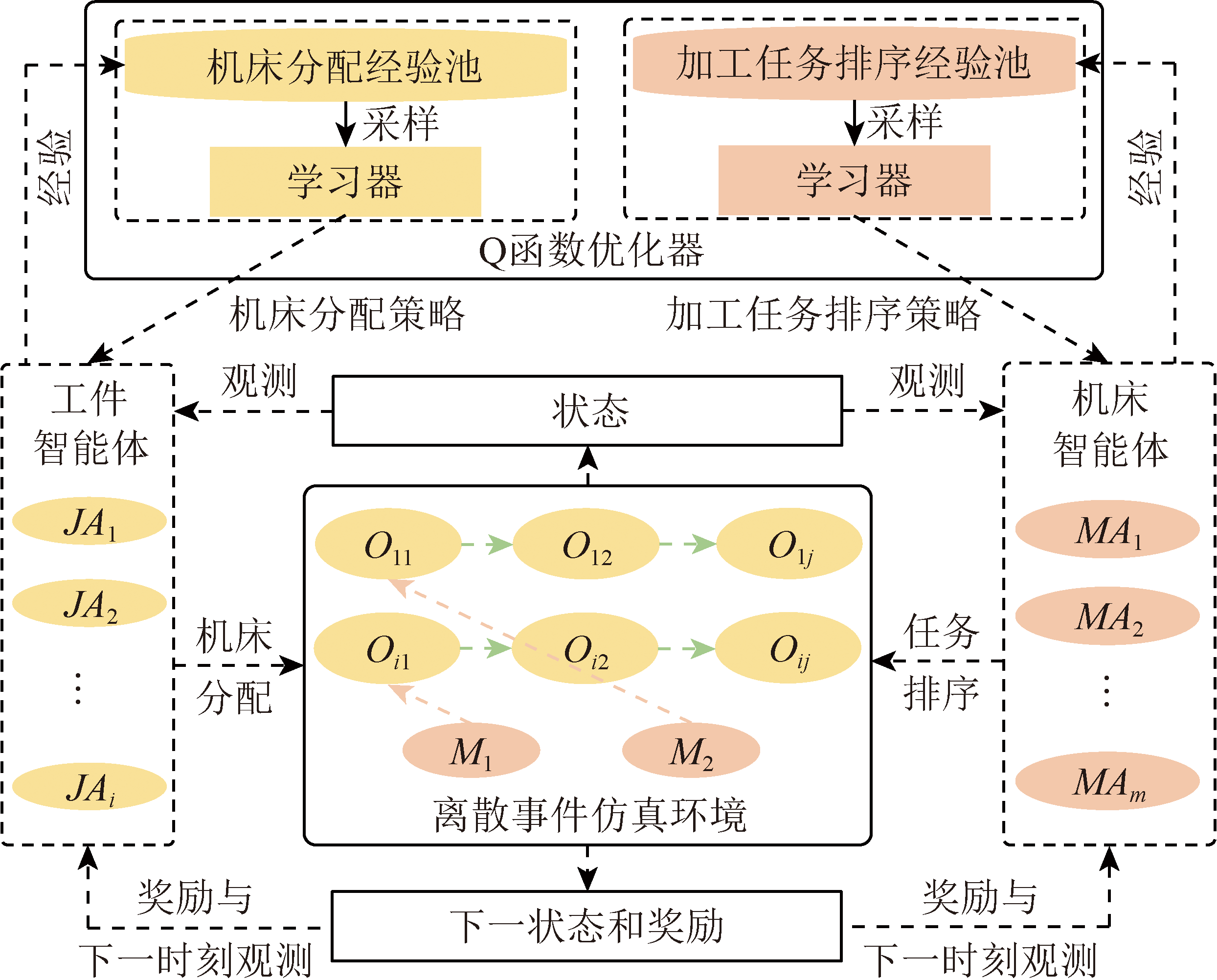
Fig. 1 The distributed real-time scheduling framework based on heterogeneous multi-agent deep reinforcement learning
| 类 | 方法 | 功能 |
|---|---|---|
| 仿真 | 工件对象创建 | 根据需求调用工件类为工件创建实例化对象 |
| 机床对象创建 | 根据需求调用机床类创建对应数量的机床对象 | |
| 系统状态查询 | 根据决策需求查询对应机床对象和工件对象的详细状态,并将其处理为需要的数据格式 | |
| 系统状态更新 | 根据作业车间的状态变化,依次调用环境中的所有机床和工件对象,以实现车间状态更新 | |
| 新工件 监测 | 动态监测是否有新工件的到达,并根据需要创建新的工件对象 | |
| 决策执行 | 将智能体的动作转换为环境能够执行的真实调度方案,并将任务发送至对应的执行对象 | |
| 运行 | 实时监测所有对象的实时状态,根据决策需求调用对应的策略实现调度决策 | |
| 机床 | 状态查询 | 反馈机床实时状态 |
| 状态更新 | 实时更新机床的所有状态 | |
| 奖励计算 | 根据当前工序的完成情况,计算奖励计算,并反馈奖励至对应的决策经验,支持策略学习和优化 | |
| 工件 | 工序对象创建 | 根据工艺信息,创建对应的工序对象 |
| 工序 | 状态查询 | 反馈工序的实时状态 |
| 状态更新 | 实时更新工序的状态 | |
| 奖励计算 | 根据当前工序的完成情况,计算奖励,并反馈奖励至对应的决策经验,支持策略学习和优化 | |
| 新工序对象创建 | 当前工序完成后,判断当前工件是否完工,完工后则删除对应工件对象;否则为下一道工序创建对应的对象,继续加工过程 |
Table 2 The definition of classes and methods in the simulation environment
| 类 | 方法 | 功能 |
|---|---|---|
| 仿真 | 工件对象创建 | 根据需求调用工件类为工件创建实例化对象 |
| 机床对象创建 | 根据需求调用机床类创建对应数量的机床对象 | |
| 系统状态查询 | 根据决策需求查询对应机床对象和工件对象的详细状态,并将其处理为需要的数据格式 | |
| 系统状态更新 | 根据作业车间的状态变化,依次调用环境中的所有机床和工件对象,以实现车间状态更新 | |
| 新工件 监测 | 动态监测是否有新工件的到达,并根据需要创建新的工件对象 | |
| 决策执行 | 将智能体的动作转换为环境能够执行的真实调度方案,并将任务发送至对应的执行对象 | |
| 运行 | 实时监测所有对象的实时状态,根据决策需求调用对应的策略实现调度决策 | |
| 机床 | 状态查询 | 反馈机床实时状态 |
| 状态更新 | 实时更新机床的所有状态 | |
| 奖励计算 | 根据当前工序的完成情况,计算奖励计算,并反馈奖励至对应的决策经验,支持策略学习和优化 | |
| 工件 | 工序对象创建 | 根据工艺信息,创建对应的工序对象 |
| 工序 | 状态查询 | 反馈工序的实时状态 |
| 状态更新 | 实时更新工序的状态 | |
| 奖励计算 | 根据当前工序的完成情况,计算奖励,并反馈奖励至对应的决策经验,支持策略学习和优化 | |
| 新工序对象创建 | 当前工序完成后,判断当前工件是否完工,完工后则删除对应工件对象;否则为下一道工序创建对应的对象,继续加工过程 |

Fig. 2 The architecture of the fully connected neural network
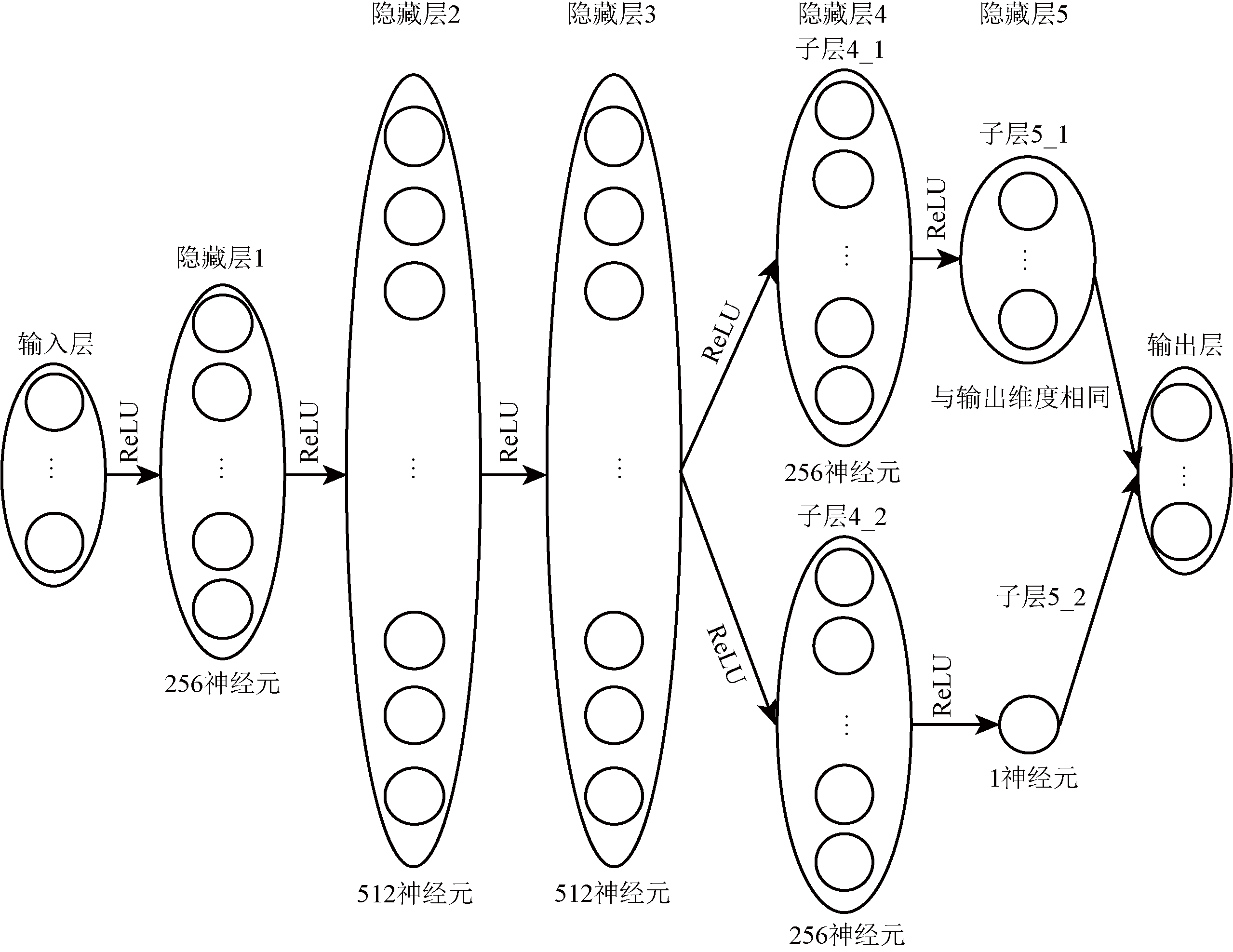
Fig. 3 The architecture of the dueling neural network
| 参数 | 数值 |
|---|---|
| 经验容量 | 2.0×10⁵ |
| 采样批量 | 128 |
| 折扣因子 | 0.99 |
| 学习率 | 1.0×10⁻⁴ |
| 优化器 | Adam |
Table 3 The definition of parameters of scheduling agents
| 参数 | 数值 |
|---|---|
| 经验容量 | 2.0×10⁵ |
| 采样批量 | 128 |
| 折扣因子 | 0.99 |
| 学习率 | 1.0×10⁻⁴ |
| 优化器 | Adam |
| 参数 | 描述 | 训练集 | 测试集 |
|---|---|---|---|
| ni | 初始工件数量 | 10 | 与训练集相同 |
| nd | 动态工件数量 | 190 | 990 |
| pt | 加工时间分布 | U[20, 80] +U[̶15, 15] | 与训练集相同 |
| m | 机床数量 | {10} | {10, 20} |
| DF | 延迟因子 | {2.0} | {1.5, 2.0, 3.0} |
| jw | 工件的权重 | {1.0, 1.5, 2.0} | 与训练集相同 |
| at | 工件到达时间间隔 | 指数分布 E(50) | 与训练集相同 |
| nis | 案例数量 | 1 | 30 |
Table 4 The parameters of numeric experiments
| 参数 | 描述 | 训练集 | 测试集 |
|---|---|---|---|
| ni | 初始工件数量 | 10 | 与训练集相同 |
| nd | 动态工件数量 | 190 | 990 |
| pt | 加工时间分布 | U[20, 80] +U[̶15, 15] | 与训练集相同 |
| m | 机床数量 | {10} | {10, 20} |
| DF | 延迟因子 | {2.0} | {1.5, 2.0, 3.0} |
| jw | 工件的权重 | {1.0, 1.5, 2.0} | 与训练集相同 |
| at | 工件到达时间间隔 | 指数分布 E(50) | 与训练集相同 |
| nis | 案例数量 | 1 | 30 |
| 场景 | m | DF | BCHR | 双DQN | CCGP | 本文方法 |
|---|---|---|---|---|---|---|
| EX11 | 10 | 1.5 | 1036.43 | 574.34 | 458.93 | 261.07 |
| EX12 | 10 | 2.0 | 968.40 | 443.86 | 273.17 | 113.51 |
| EX13 | 10 | 3.0 | 483.73 | 354.16 | 45.41 | 15.03 |
| EX21 | 20 | 1.5 | 1943.97 | 1253.28 | 1335.68 | 916.85 |
| EX22 | 20 | 2.0 | 1307.77 | 906.47 | 632.25 | 471.09 |
| EX23 | 20 | 3.0 | 312.90 | 298.82 | 183.47 | 147.00 |
Table 5 Comparison of weighted tardiness
| 场景 | m | DF | BCHR | 双DQN | CCGP | 本文方法 |
|---|---|---|---|---|---|---|
| EX11 | 10 | 1.5 | 1036.43 | 574.34 | 458.93 | 261.07 |
| EX12 | 10 | 2.0 | 968.40 | 443.86 | 273.17 | 113.51 |
| EX13 | 10 | 3.0 | 483.73 | 354.16 | 45.41 | 15.03 |
| EX21 | 20 | 1.5 | 1943.97 | 1253.28 | 1335.68 | 916.85 |
| EX22 | 20 | 2.0 | 1307.77 | 906.47 | 632.25 | 471.09 |
| EX23 | 20 | 3.0 | 312.90 | 298.82 | 183.47 | 147.00 |

Fig. 4 Comparison of the flow time of jobs
| 场景 | BCHR | 双DQN | CCGP | 本文方法 |
|---|---|---|---|---|
| EX11 | 27.90 | 19.99 | 19.47 | 18.21 |
| EX12 | 31.51 | 22.22 | 20.62 | 18.83 |
| EX13 | 31.71 | 21.15 | 19.61 | 18.48 |
| EX21 | 54.58 | 53.20 | 48.26 | 42.75 |
| EX22 | 54.33 | 48.73 | 48.11 | 42.82 |
| EX23 | 52.14 | 50.88 | 45.90 | 42.27 |
Table 6 Comparison of WIP
| 场景 | BCHR | 双DQN | CCGP | 本文方法 |
|---|---|---|---|---|
| EX11 | 27.90 | 19.99 | 19.47 | 18.21 |
| EX12 | 31.51 | 22.22 | 20.62 | 18.83 |
| EX13 | 31.71 | 21.15 | 19.61 | 18.48 |
| EX21 | 54.58 | 53.20 | 48.26 | 42.75 |
| EX22 | 54.33 | 48.73 | 48.11 | 42.82 |
| EX23 | 52.14 | 50.88 | 45.90 | 42.27 |
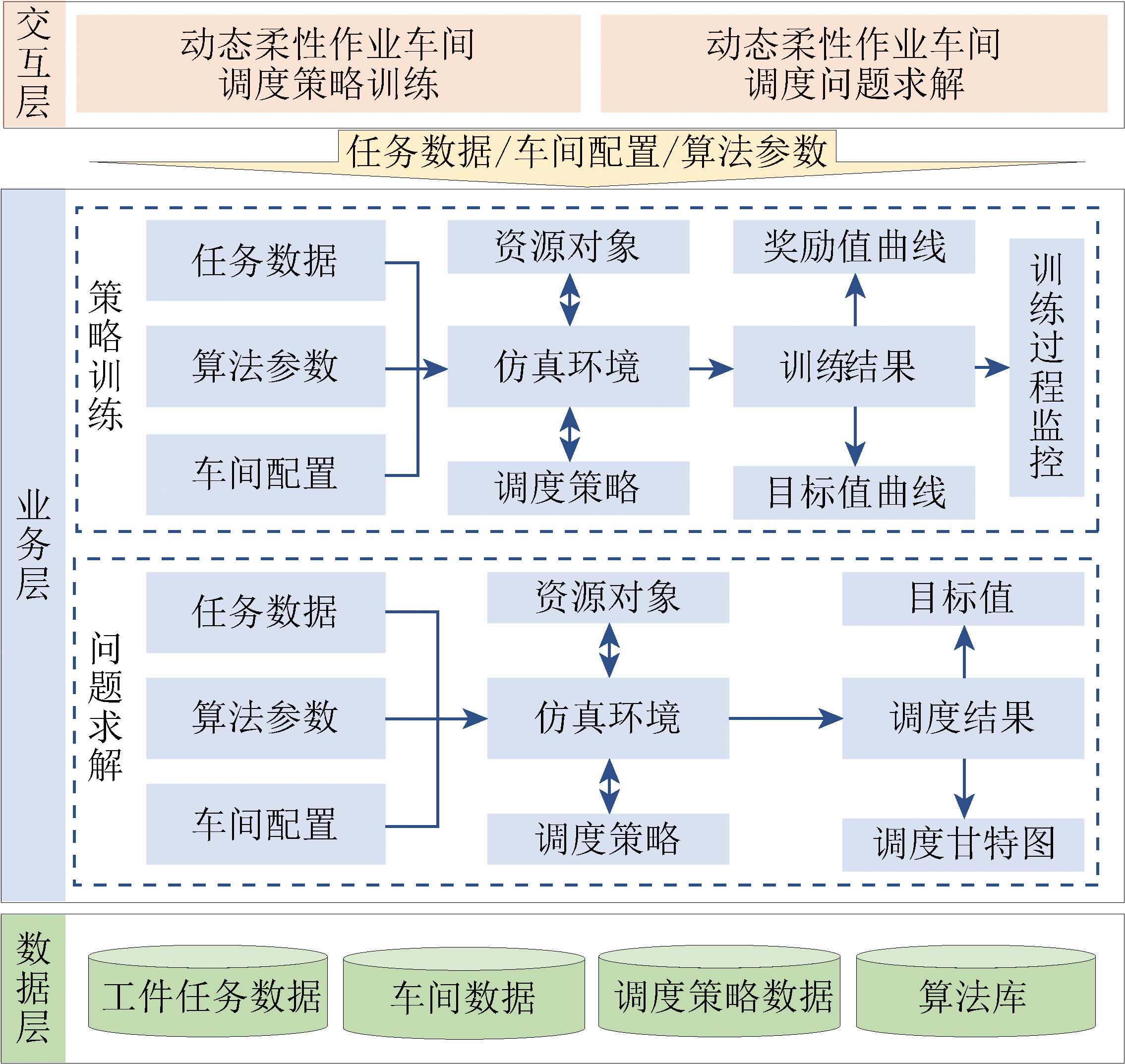
Fig. 5 The architecture of the scheduling solver

Fig. 6 The flowchart of using the solver
| 方法 | 加权交货期延迟 | 计算时间 |
|---|---|---|
| 调度规则 | 8.455 8 | 2.25 |
| 本文方法 | 8.445 8 | 0.20 |
Table 7 The experimental results of the case study/s
| 方法 | 加权交货期延迟 | 计算时间 |
|---|---|---|
| 调度规则 | 8.455 8 | 2.25 |
| 本文方法 | 8.445 8 | 0.20 |
| [1] |
DAUZÈRE-PÉRÈS S, DING J W, SHEN L J, et al. The flexible job shop scheduling problem: a review[J]. European Journal of Operational Research, 2024, 314(2): 409-432.
DOI URL |
| [2] |
王霄汉, 张霖, 任磊, 等. 基于强化学习的车间调度问题研究简述[J]. 系统仿真学报, 2021, 33(12): 2782-2791.
DOI |
|
WANG X H, ZHANG L, REN L, et al. Brief review on applying reinforcement learning to job shop scheduling problems[J]. Journal of System Simulation, 2021, 33(12): 2782-2791 (in Chinese).
DOI |
|
| [3] |
ZHANG FF, MEI Y, NGUYEN S, et al. Surrogate-assisted evolutionary multitask genetic programming for dynamic flexible job shop scheduling[J]. IEEE Transactions on Evolutionary Computation, 2021, 25(4): 651-665.
DOI URL |
| [4] |
SHAHGHOLI ZADEH M, KATEBI Y, DONIAVI A. A heuristic model for dynamic flexible job shop scheduling problem considering variable processing times[J]. International Journal of Production Research, 2018, 57(10): 3020-3035.
DOI URL |
| [5] |
GUI Y, TANG D B, ZHU HH, et al. Dynamic scheduling for flexible job shop using a deep reinforcement learning approach[J]. Computers & Industrial Engineering, 2023, 180: 109255.
DOI URL |
| [6] |
SERRANO-RUIZ J C, MULA J, POLER R. Smart manufacturing scheduling: a literature review[J]. Journal of Manufacturing Systems, 2021, 61: 265-287.
DOI URL |
| [7] |
REN W B, YAN Y, HU Y G, et al. Joint optimisation for dynamic flexible job-shop scheduling problem with transportation time and resource constraints[J]. International Journal of Production Research, 2022, 60(18): 5675-5696.
DOI URL |
| [8] |
BAYKASOĞLU A, MADENOĞLU F S, HAMZADAYI A. Greedy randomized adaptive search for dynamic flexible job-shop scheduling[J]. Journal of Manufacturing Systems, 2020, 56: 425-451.
DOI URL |
| [9] |
LI K X, DENG Q W, ZHANG LK, et al. An effective MCTS-based algorithm for minimizing makespanin dynamic flexible job shop scheduling problem[J]. Computers & Industrial Engineering, 2021, 155: 107211.
DOI URL |
| [10] |
LEI K, GUO P, ZHAO W C, et al. A multi-action deep reinforcement learning framework for flexible Job-shop scheduling problem[J]. Expert Systems with Applications, 2022, 205: 117796.
DOI URL |
| [11] |
ZHANG L X, YAN Y, HU Y G. Dynamic flexible scheduling with transportation constraints by multi-agent reinforcement learning[J]. Engineering Applications of Artificial Intelligence, 2024, 134: 108699.
DOI URL |
| [12] |
ZHANG L X, YAN Y, YANG C, et al. Dynamic flexible job-shop scheduling by multi-agent reinforcement learning with reward-shaping[J]. Advanced Engineering Informatics, 2024, 62: 102872.
DOI URL |
| [13] |
WANG H, CHENG J F, LIU C, et al. Multi-objective reinforcement learning framework for dynamic flexible job shop scheduling problem with uncertain events[J]. Applied Soft Computing, 2022, 131: 109717.
DOI URL |
| [14] |
LIU R K, PIPLANI R, TORO C. Deep reinforcement learning for dynamic scheduling of a flexible job shop[J]. International Journal of Production Research, 2022, 60(13): 4049-4069.
DOI URL |
| [15] |
ZHANG FF, MEI Y, NGUYEN S, et al. Evolving scheduling heuristics via genetic programming with feature selection in dynamic flexible job-shop scheduling[J]. IEEE Transactions on Cybernetics, 2021, 51(4): 1797-1811.
DOI PMID |
| [1] | LIU Bokai, YIN Xuefeng, SUN Chuanyu, GE Huilin, WEI Ziqi, JIANG Yutong, PIAO Haiyin, ZHOU Dongsheng, YANG Xin. Research on UAV three-dimensional scene navigation based on deep reinforcement learning [J]. Journal of Graphics, 2025, 46(5): 1010-1017. |
| [2] | LEI Yulin, LIU Ligang. Transport-and-packing with buffer via deep reinforcement learning [J]. Journal of Graphics, 2025, 46(3): 697-708. |
| [3] | XU Pei, HUANG Kaiqi. An efficient reinforcement learning method based on large language model [J]. Journal of Graphics, 2024, 45(6): 1165-1177. |
| [4] | TIAN Ling, LIU Guo, LIU Si-chao . Digital twin and production line simulation technology [J]. Journal of Graphics, 2021, 42(3): 349-358. |
| [5] | WU Yi-he , ZHANG Zhen-ning , QIU Dong , LI Wei-qing , SU Zhi-yong. Research on adaptive grasping of virtual hands based on deep reinforcement learning [J]. Journal of Graphics, 2021, 42(3): 462-469. |
| Viewed | ||||||
|
Full text |
|
|||||
|
Abstract |
|
|||||
